Research Overview
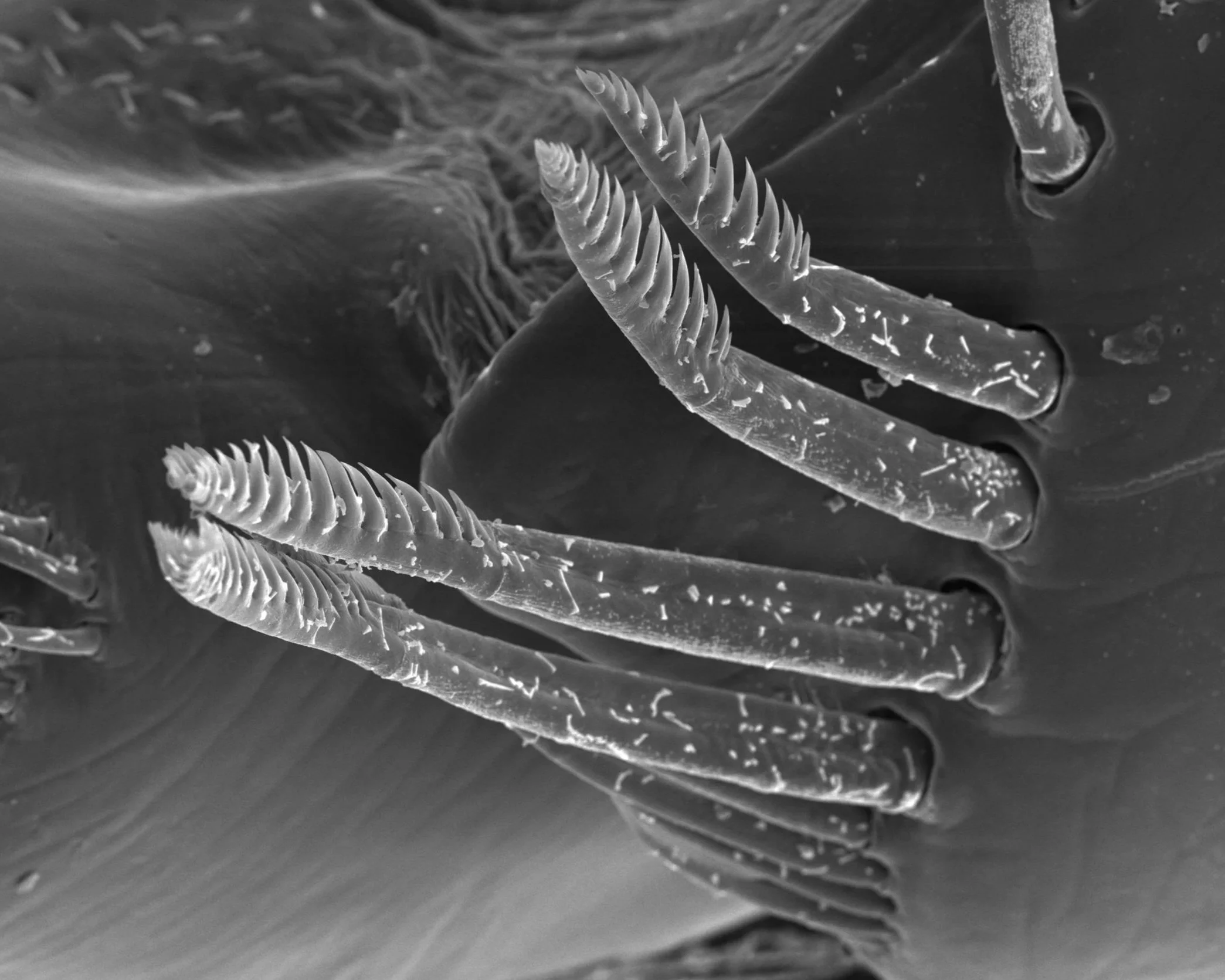
My research investigates how animals gather, process, and use information to navigate uncertain, noisy, and rapidly changing environments. I work at the intersection of morphology, behaviour, physiology, and ecology to understand the evolutionary context in which these sensory traits evolve. I study how tiny structures—antennae and microscopic hairs like sensilla—and sensory processes shape information acquisition, decision-making, and biological performance, ultimately influencing how animals cope with ecological change.
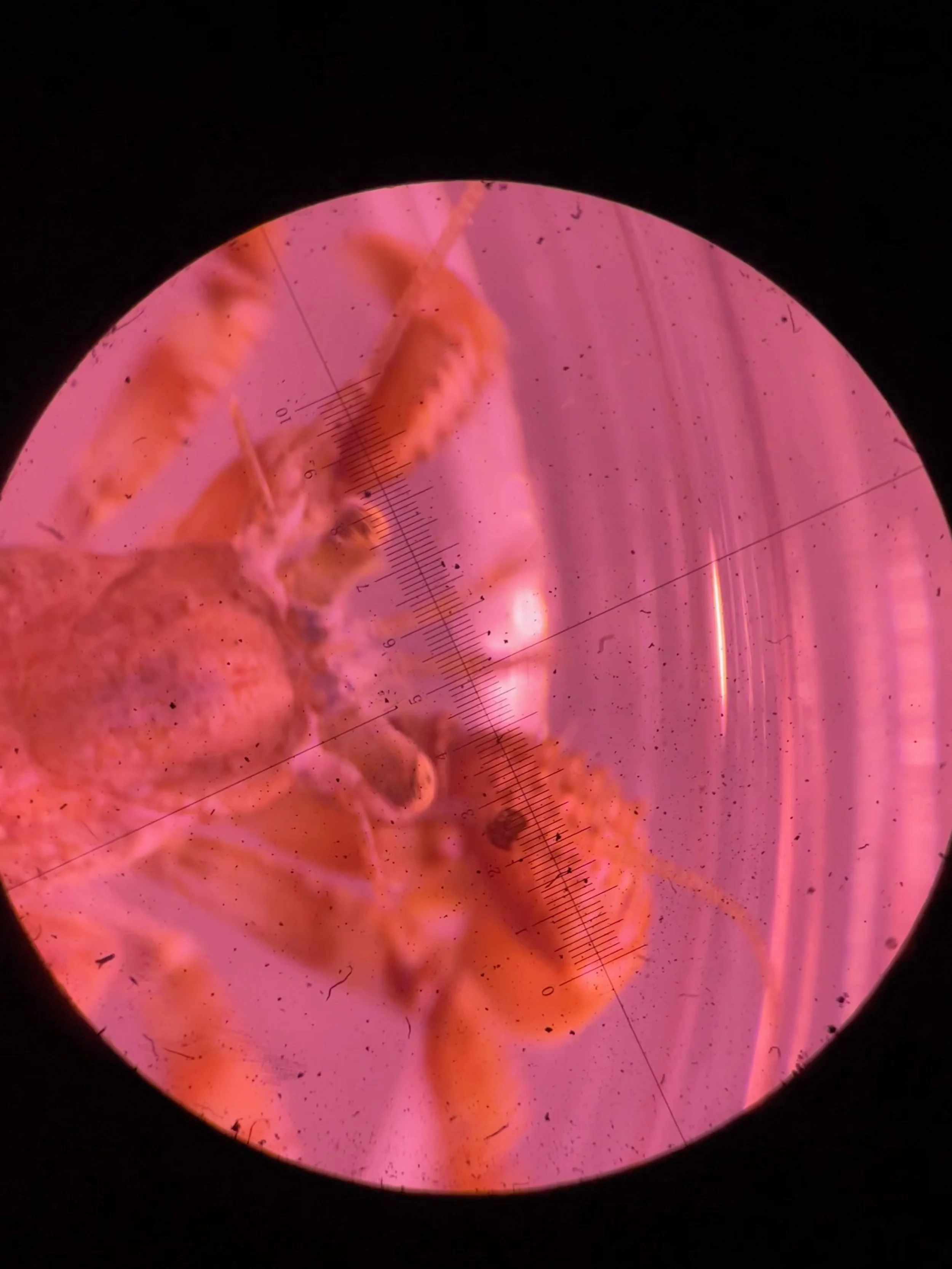
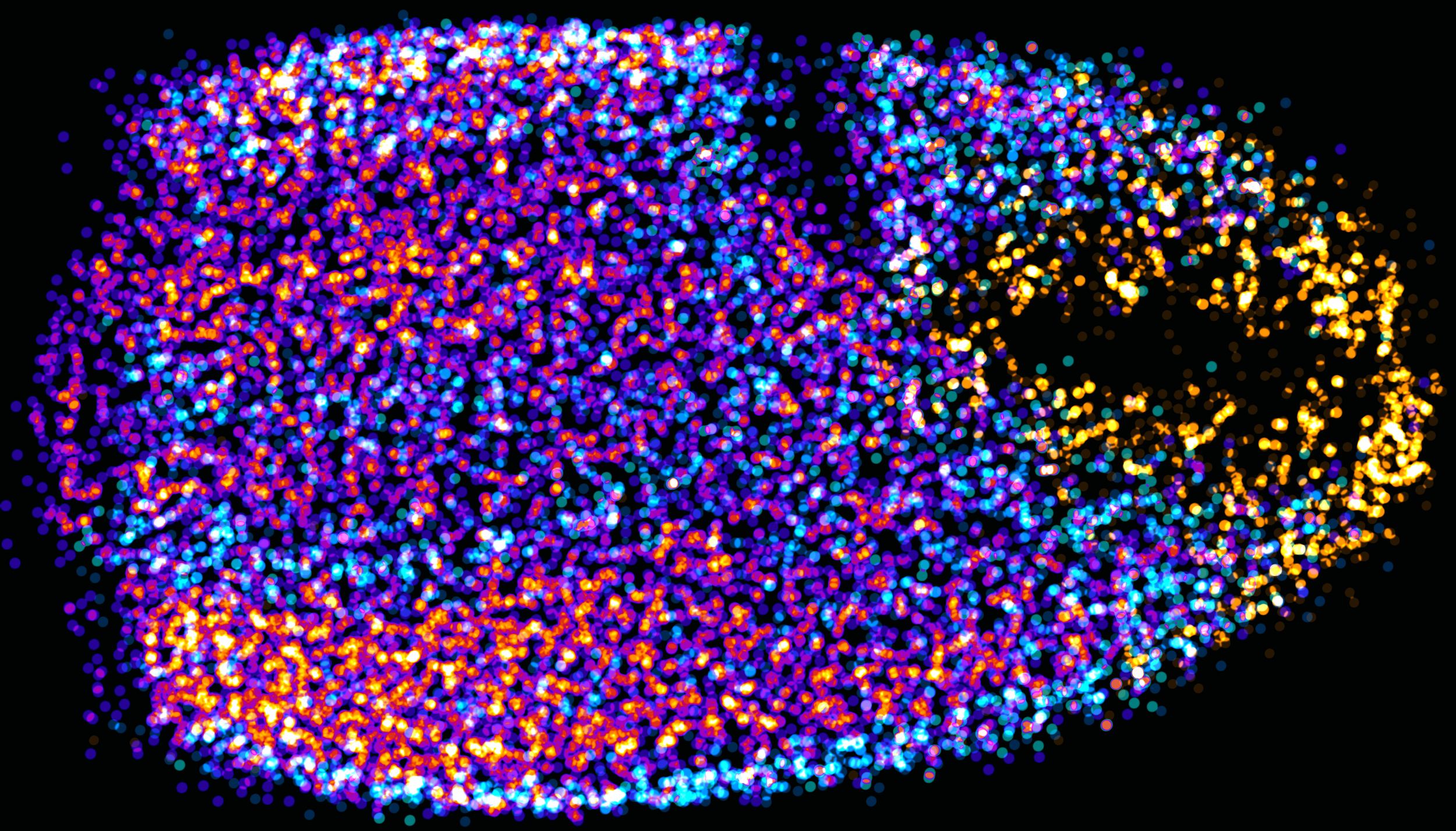
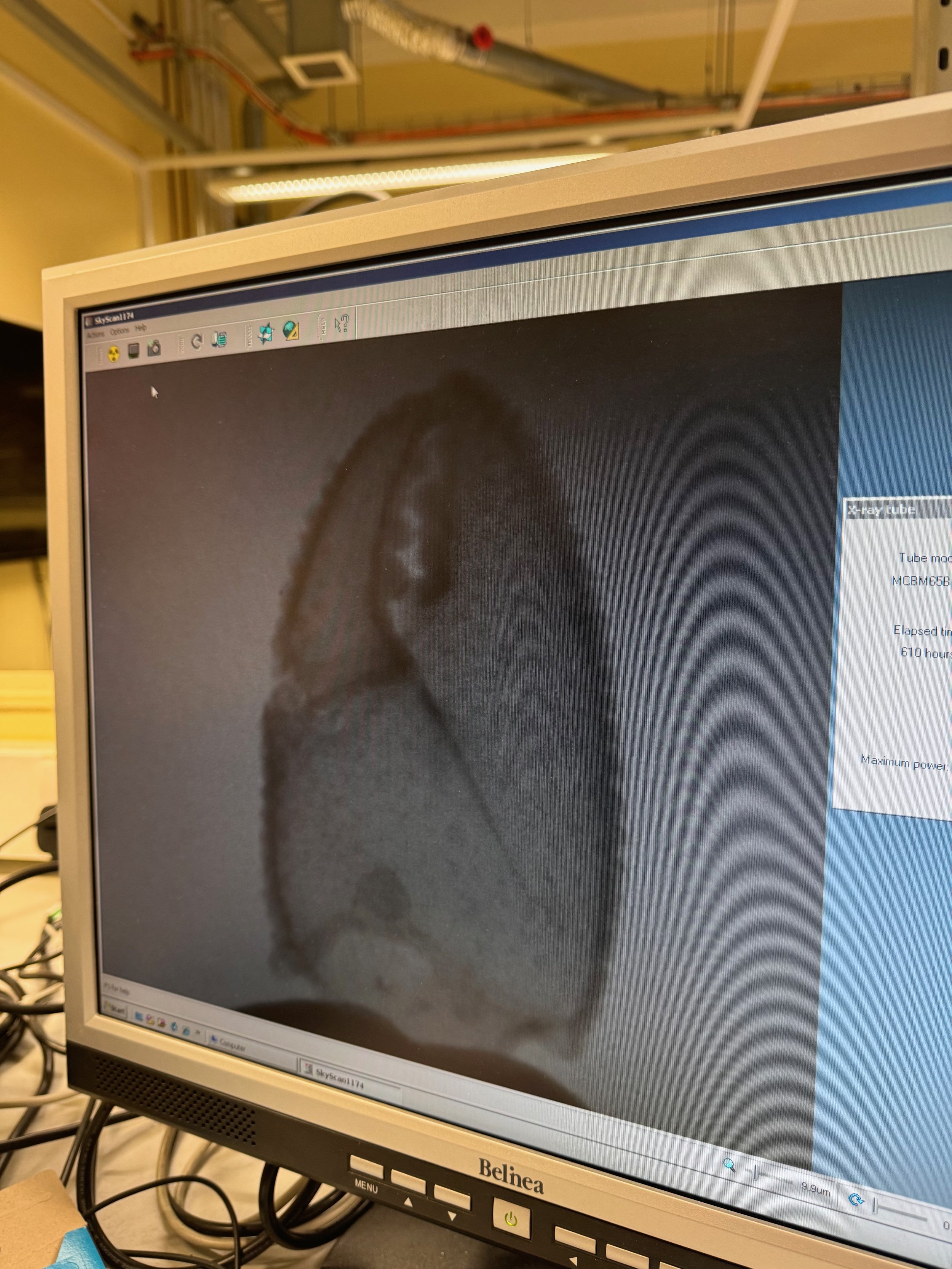
Using a combination of imaging (including scanning electron microscopy, or SEM), behavioural assays, physiological experiments, and statistical and modelling approaches, I study the pathways that link sensory architecture, information acquisition, and behaviour and performance, with ecological outcomes. Much of my work focuses on crustaceans and other marine invertebrates, powerful model systems for understanding information ecology.
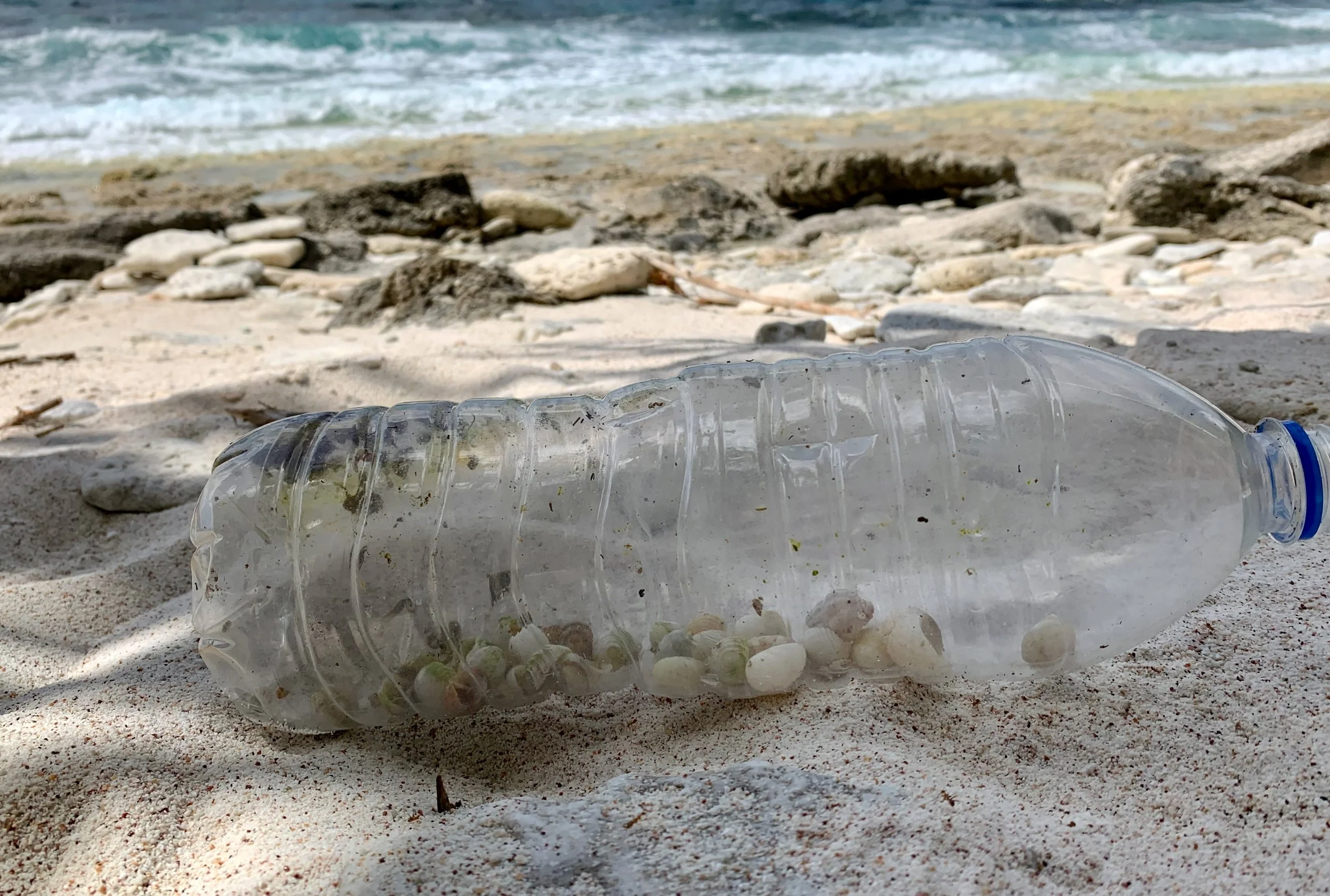
How do animals use their bodies to gather respond to information? Does their response change in the presence of pollutants, such as microplastics? These are some of my core research questions.
Model Systems
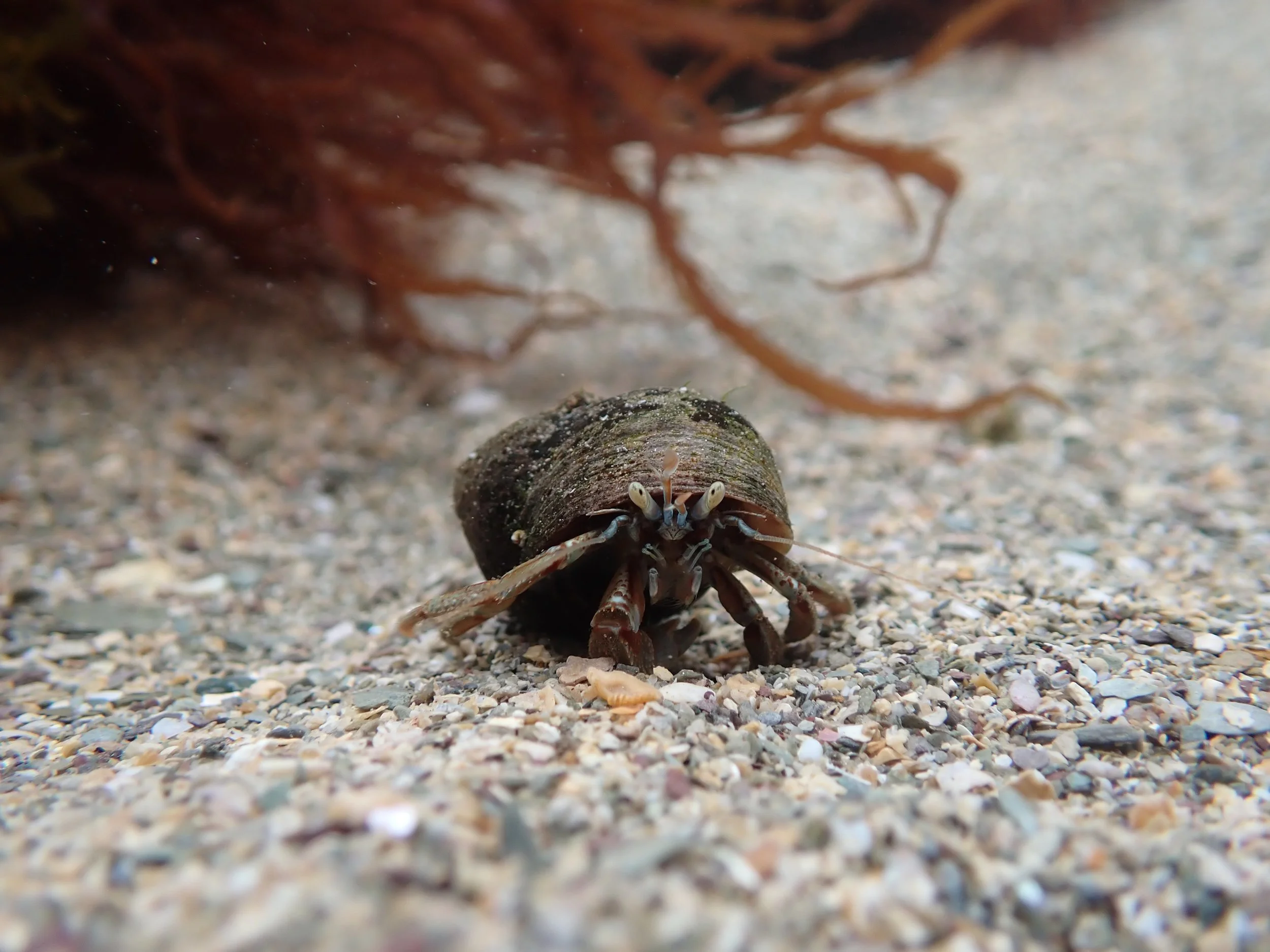
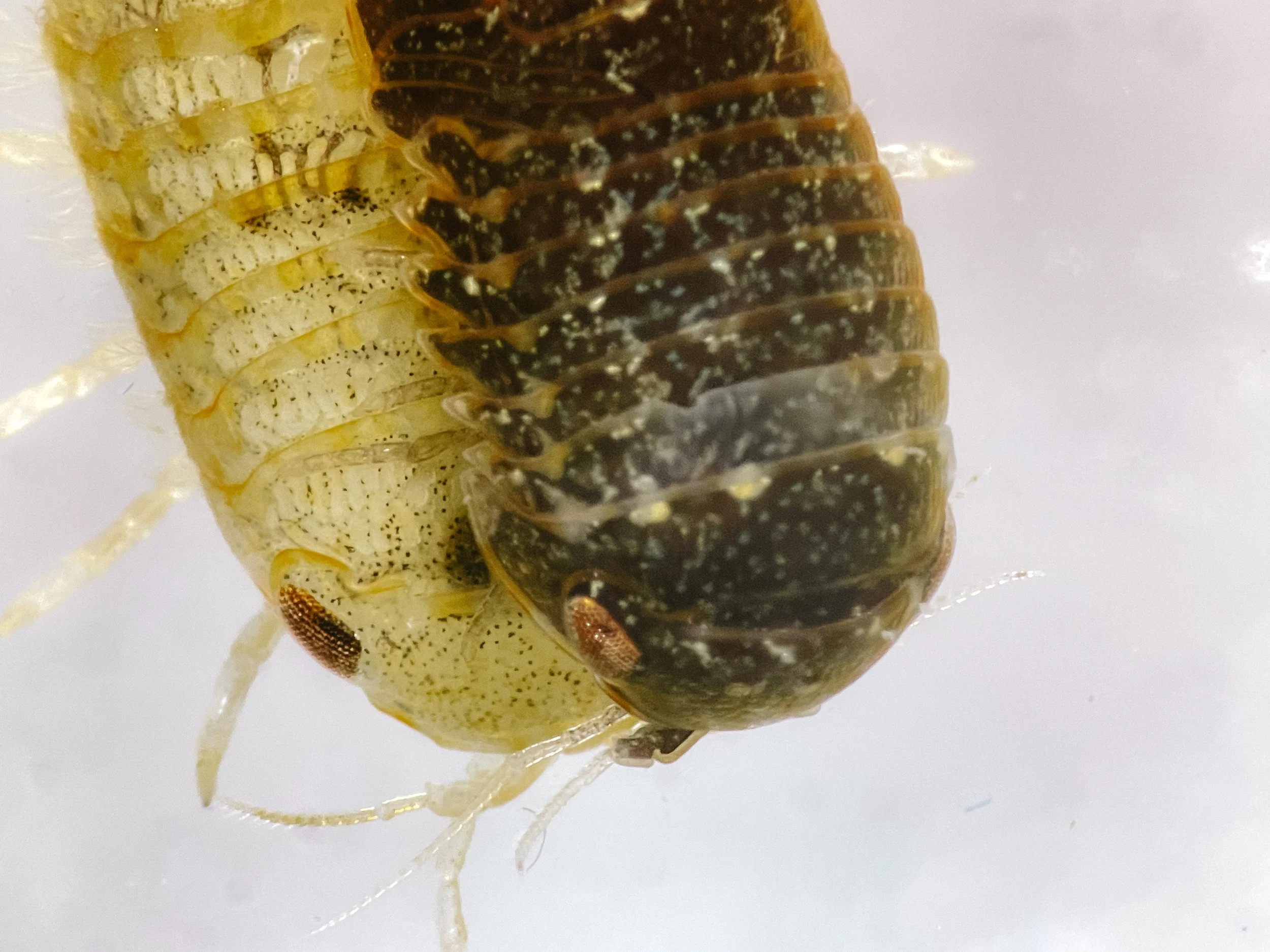
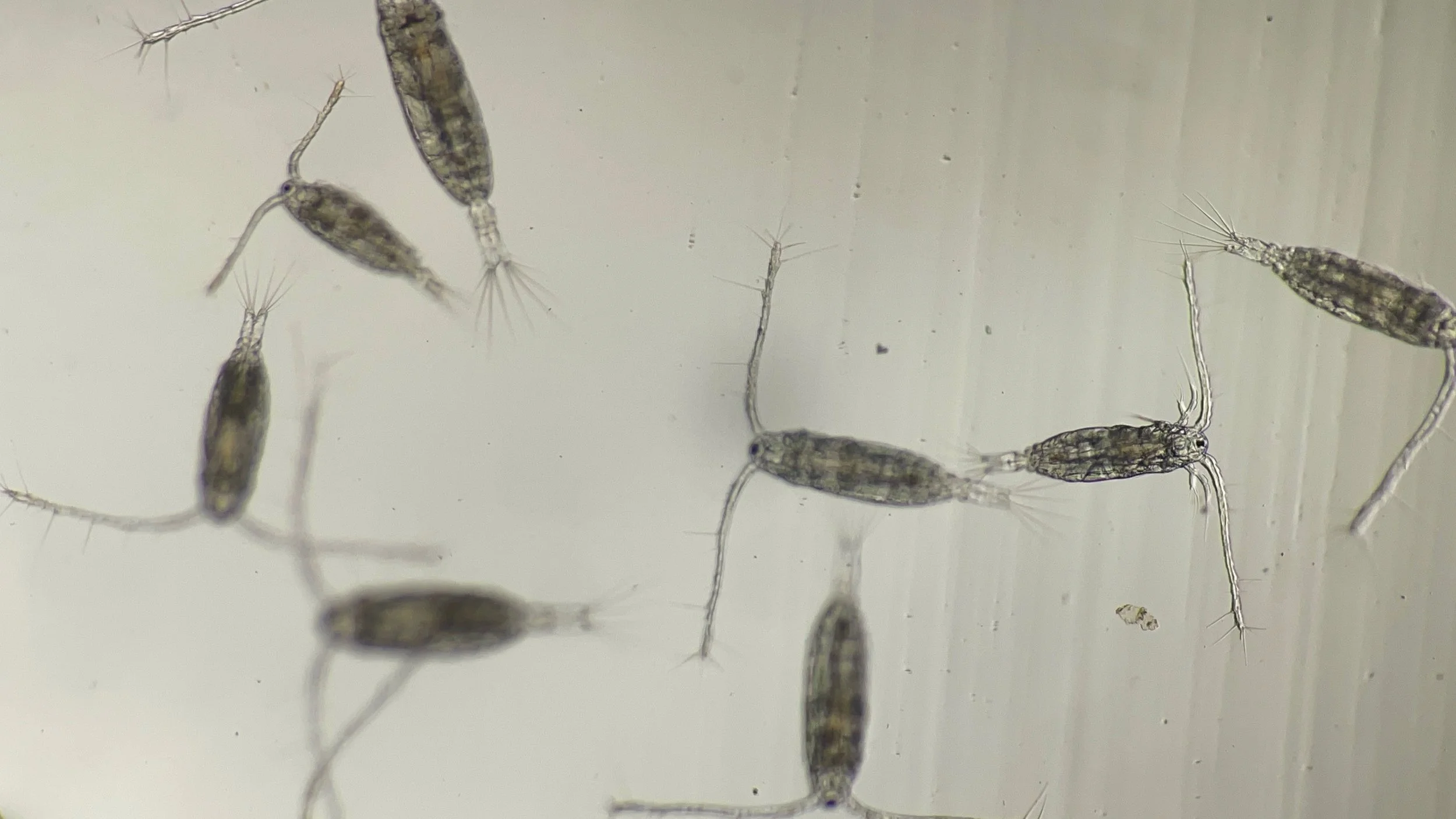
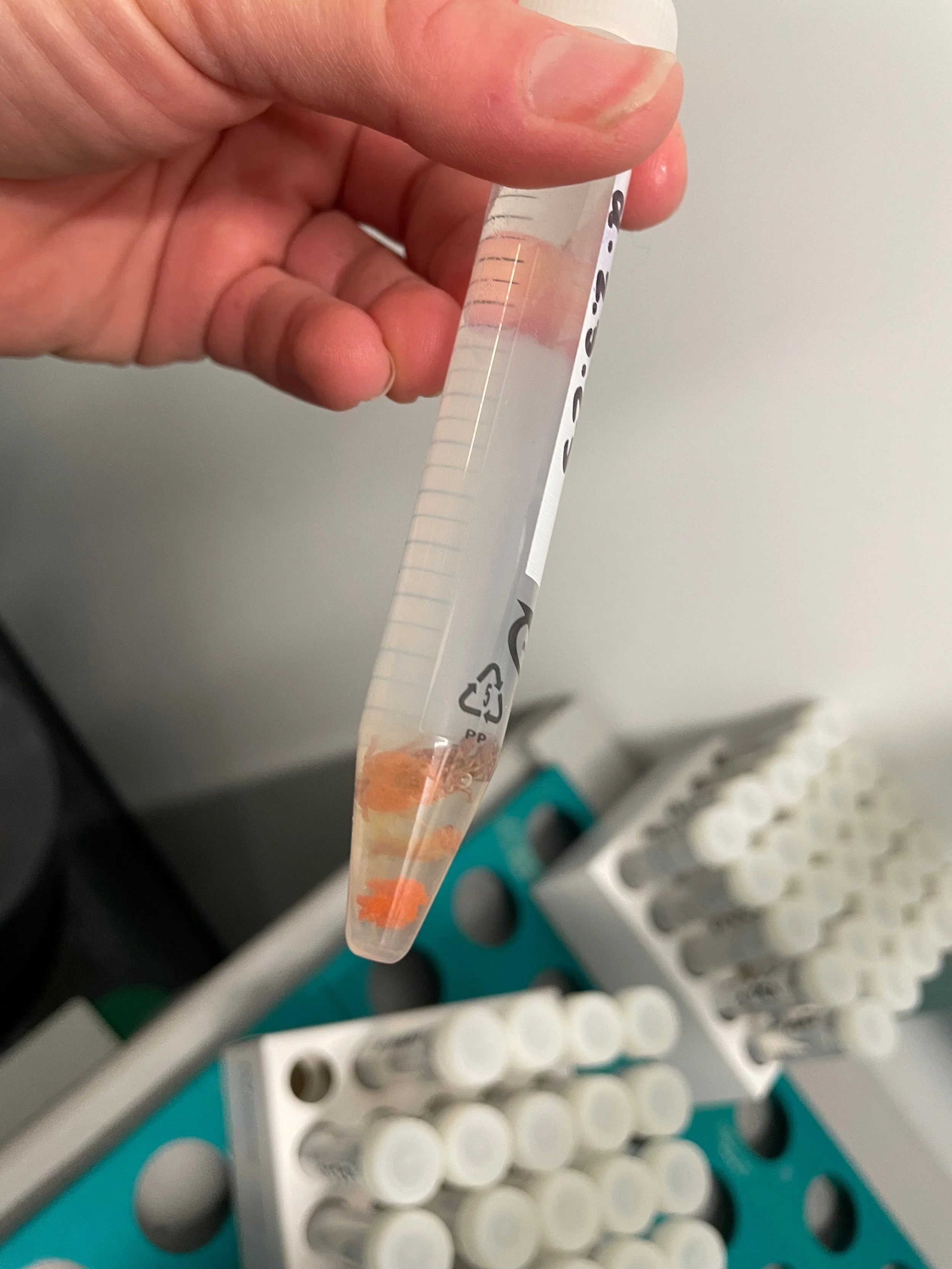
My work focuses primarily on crustaceans (including hermit crabs and isopods) and other marine invertebrates. These systems offer exceptional tractability for studying sensory architecture, behavioural plasticity, and environmental information structure.
Selected Publications
Those FLICKING (micro)FIBRES!
Flicking fibres: Microfibres act as sensory disruptors in a marine crustacean.
In press. Environmental Pollution.
Ari Drummond, Alexander D.M. Wilson, Lucy M. Turner, Mark Briffa
Shelled shut-ins: a conditional escape task showing perceptual awareness in hermit crabs. 2026. Animal Behaviour.
Ari Drummond, John I. Spicer, Mark Briffa
doi: 10.1016/j.anbehav.2026.123475
Shifting attention: assessing antennular ‘gaze’ in the hermit crab Pagurus bernhardus. 2025. Animal Behaviour.
Ari Drummond, John I. Spicer, Lucy M. Turner, Alexander D.M. Wilson, Mark Briffa
doi: 10.1016/j.anbehav.2025.123233
A sensory investment syndrome hypothesis: personality and predictability are linked to sensory capacity in the hermit crab Pagurus bernhardus. 2025. Proceedings of the Royal Society B.
Ari Drummond, Summer Nash, Tianna Holloway, Lucy M. Turner, Alexander D.M. Wilson, Mark Briffa
doi: 10.1098/rspb.2025.0932
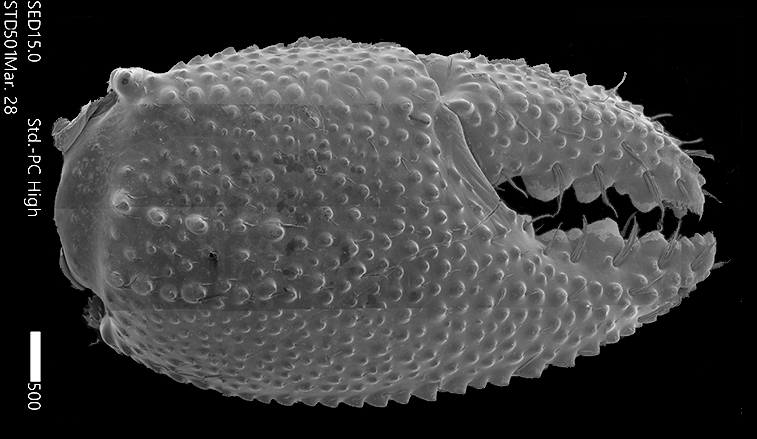
Intraspecific sensory diversity and the decapod claw: Patterns of sensillation are heterochelic and sexually dimorphic in Pagurus bernhardus. 2025. Journal of Morphology.
Ari Drummond, Tianna Holloway, Summer Nash, Alexander D.M. Wilson, Lucy M. Turner, Mark Briffa, Dave T. Bilton
doi: 10.1002/jmor.70054
Research Themes
-
How do different structures on and in an animal’s body shape what it can detect? How does this sensory architecture influence which information is filtered, prioritised, or ignored?
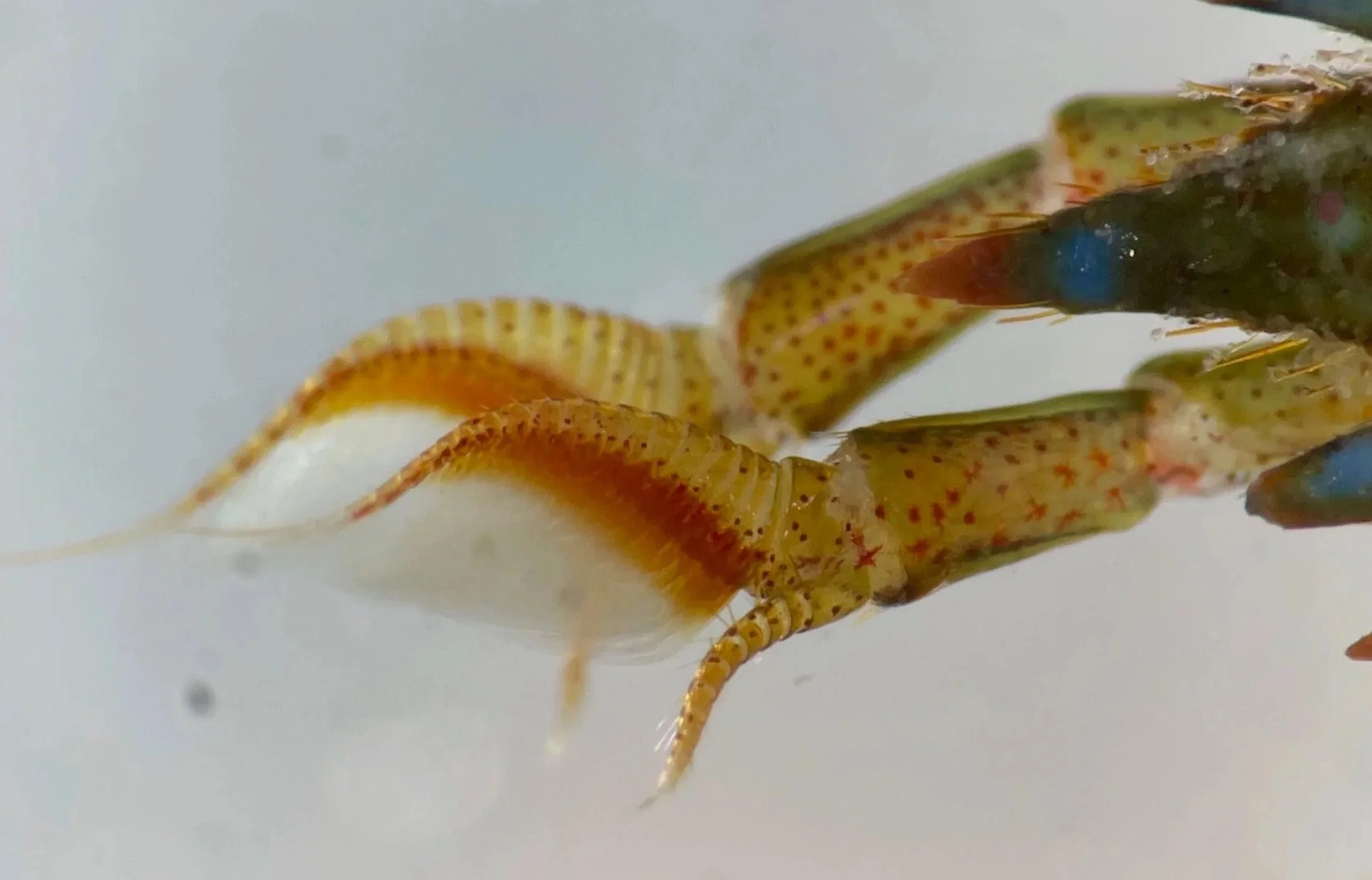
I address these questions by combining SEM-based morphology, quantification, and behavioural assays to link microstructural diversity to information-gathering strategies and the limits and possibilities of perception.
-
How does variation in morphology—including the structure of antennules, eyes, claws, and other appendages—shape information gathering and sensory processing? What does this functional diversity mean for individual survival and fitness, and how does sensory diversity evolve?
I approach these questions through a combined approach, uniting imaging and morphometrics with behavioural and physiological assays. These functional analyses help reveal how structural variation affects sensory abilities and ecological trajectories.
-
How do animals integrate sensory cues into behavioural decisions, and what happens when information becomes unreliable, disrupted or overwhelming?
I explore these processes through experiments that manipulate information availability, reliability, and density, revealing how animals navigate uncertainty and how sensory inputs translate into behavioural and physiological performance.
-
How does environmental change alter the information landscape animals rely on, and what are the consequences of noise, pollution, or degraded cues for sensory processing and resilience?
I investigate these disruptions to understand how altered information environments shape behaviour, flexibility, and ecological outcomes, connecting sensory biology to broader eco-evolutionary responses under anthropogenic stressors.
Current Projects
-
![]()
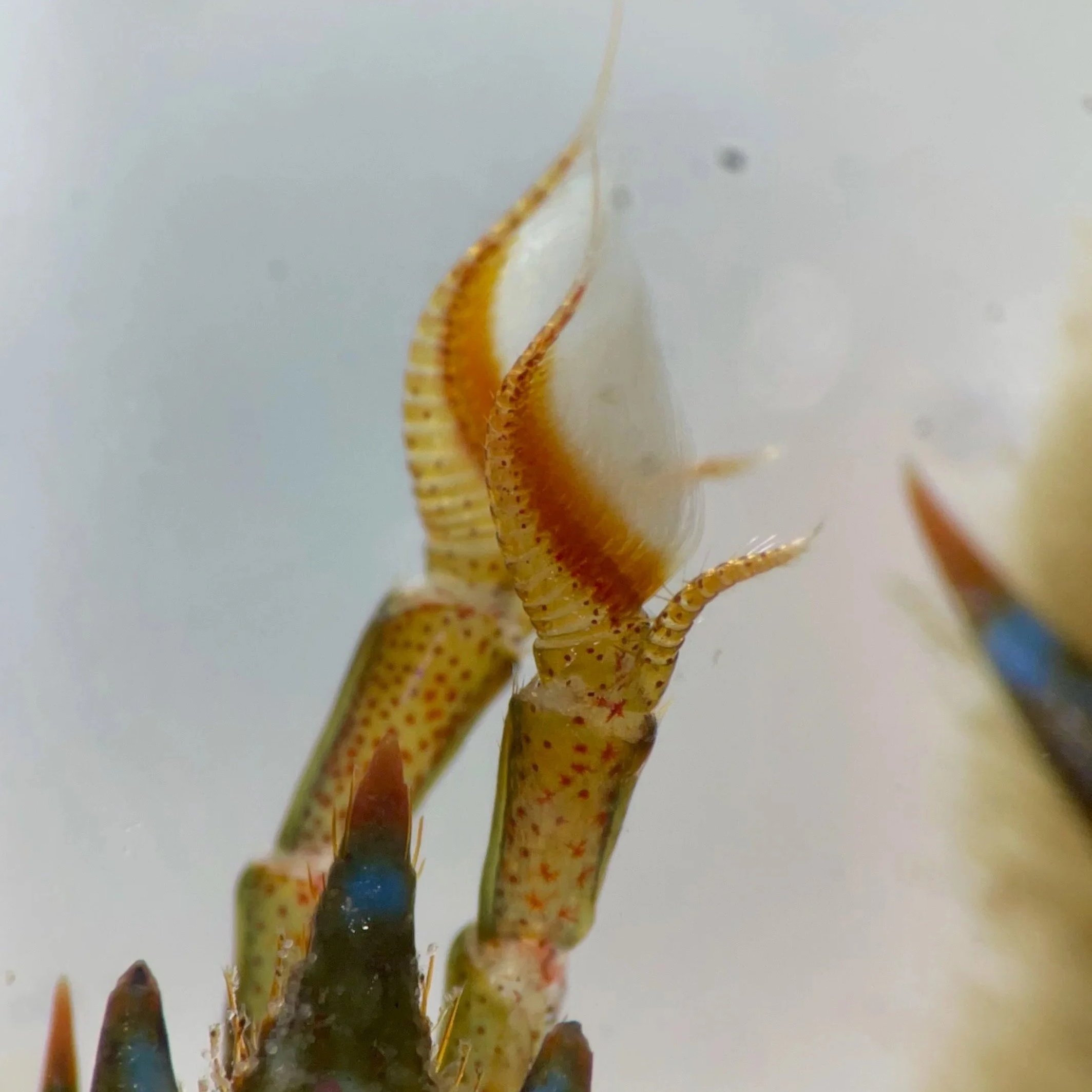
Sensilla Diversity & Detection Efficiency
Quantifying how sensilla types relate to sensory sensitivity and behavioural performance.
-
![]()
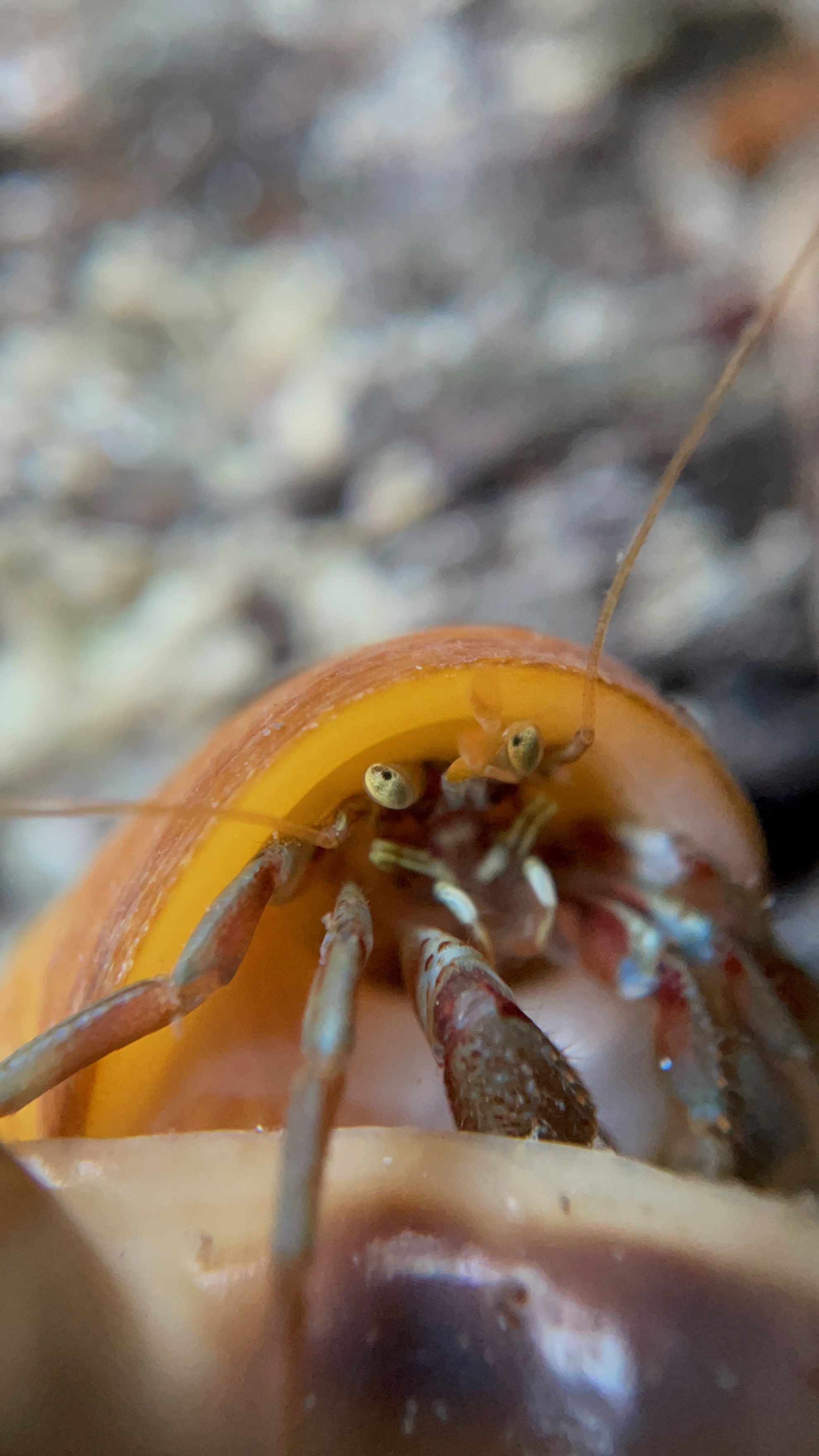
Antennular Morphology & Active Sensing
Mapping how antennular shapes and flicking strategies influence information uptake.
-
![]()
Environmental Change & Information Structure
Environmental Change & Information Structure
-
![]()
Information Overload Experiments
Testing how marine invertebrates respond to environments with excessive or conflicting sensory cues.
-
![]()
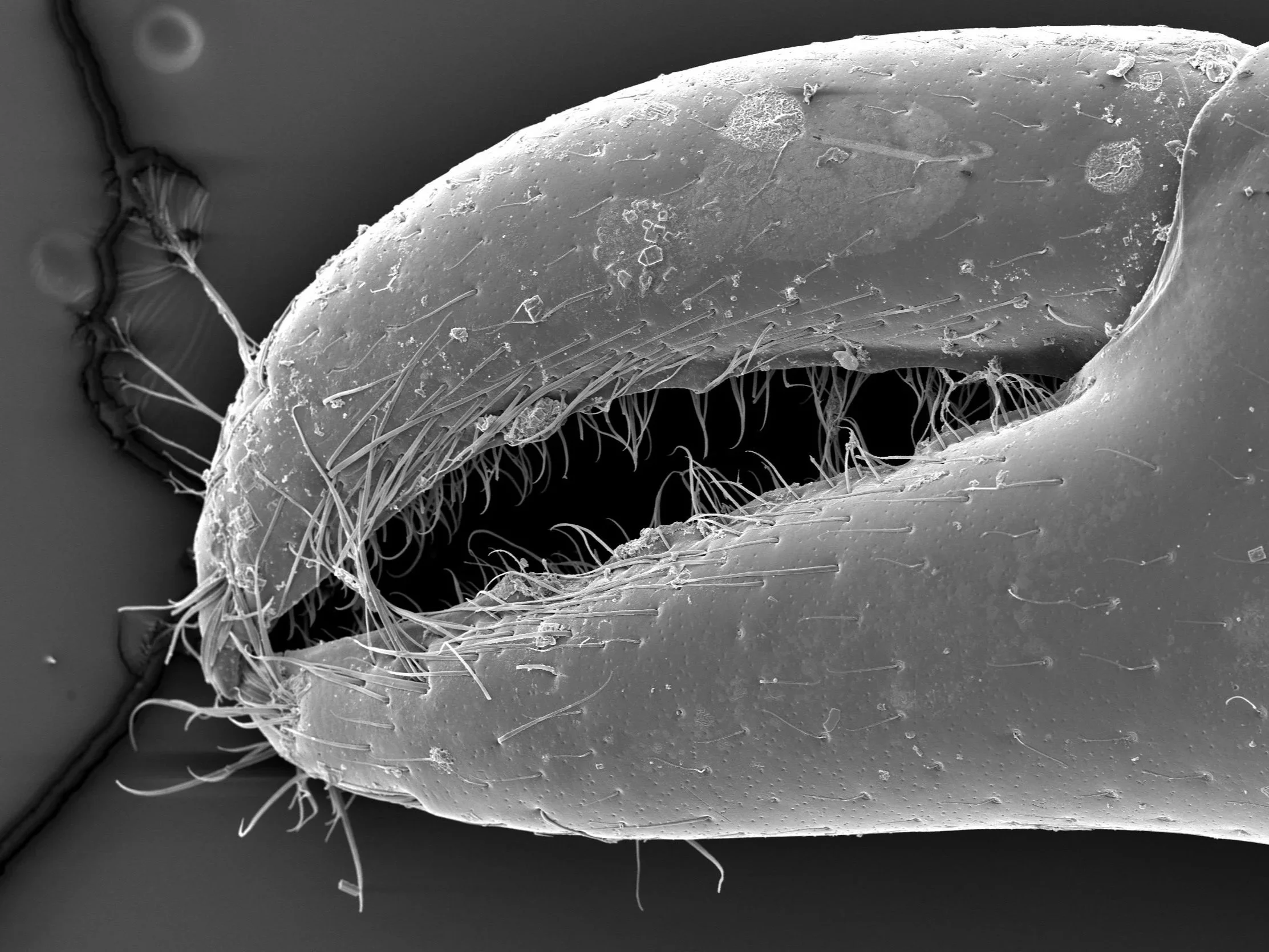
Structural and Functional Diversity of the Crustacean Claw
Mapping and quantifying gross andd sensory morphology of chelipeds (claws) across intertidal taxa.
-
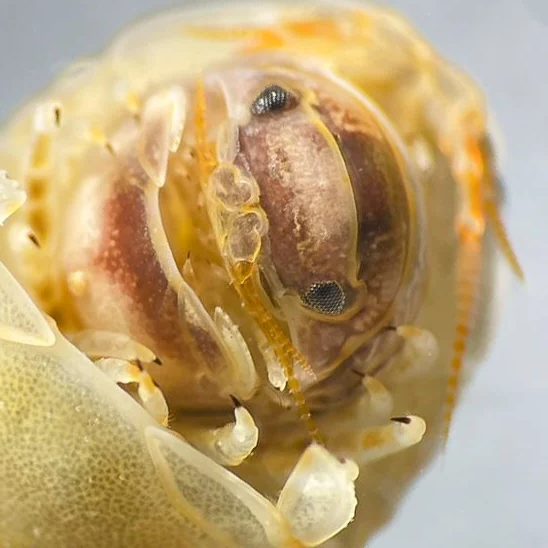
Isolation and Information Across Risk L:andscapes
Measuring how social isolation alters cue perception, metabolism and behavioural performance.
Future Directions
My long-term research aims to develop an integrative framework for understanding information ecology: how sensory systems, information availability, and environmental change interact to shape behaviour, performance, and eco-evolutionary outcomes. I am interested in expanding this work to include comparative sensory evolution, common-garden or experimental evolution approaches, and the physiological consequences of anthropogenic alterations to informational distribution across different habitats.
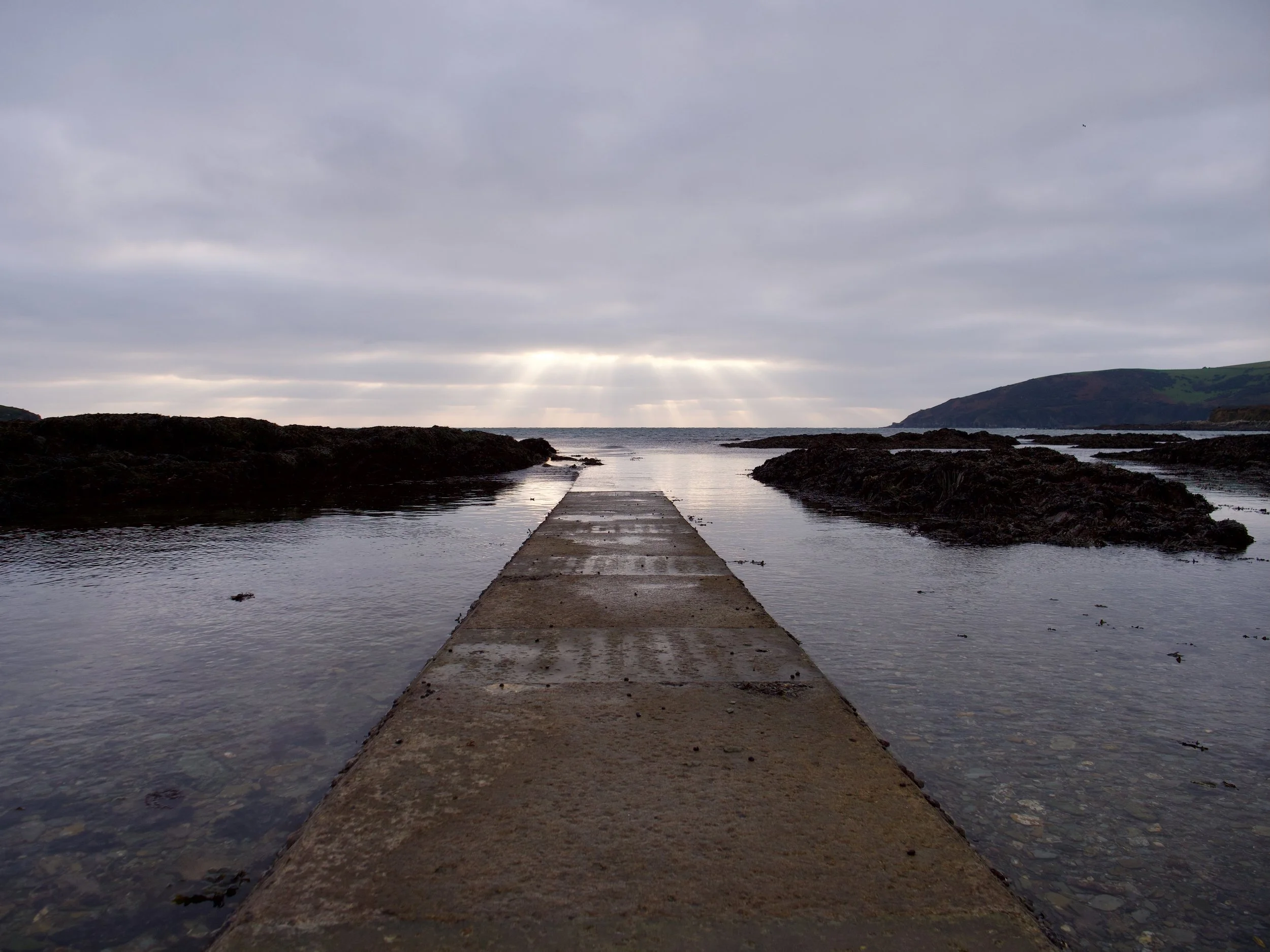
The Crab Lab
I founded The Crab Lab as a platform for exploring these ideas and mentoring students in sensory biology, behaviour, and morphology.
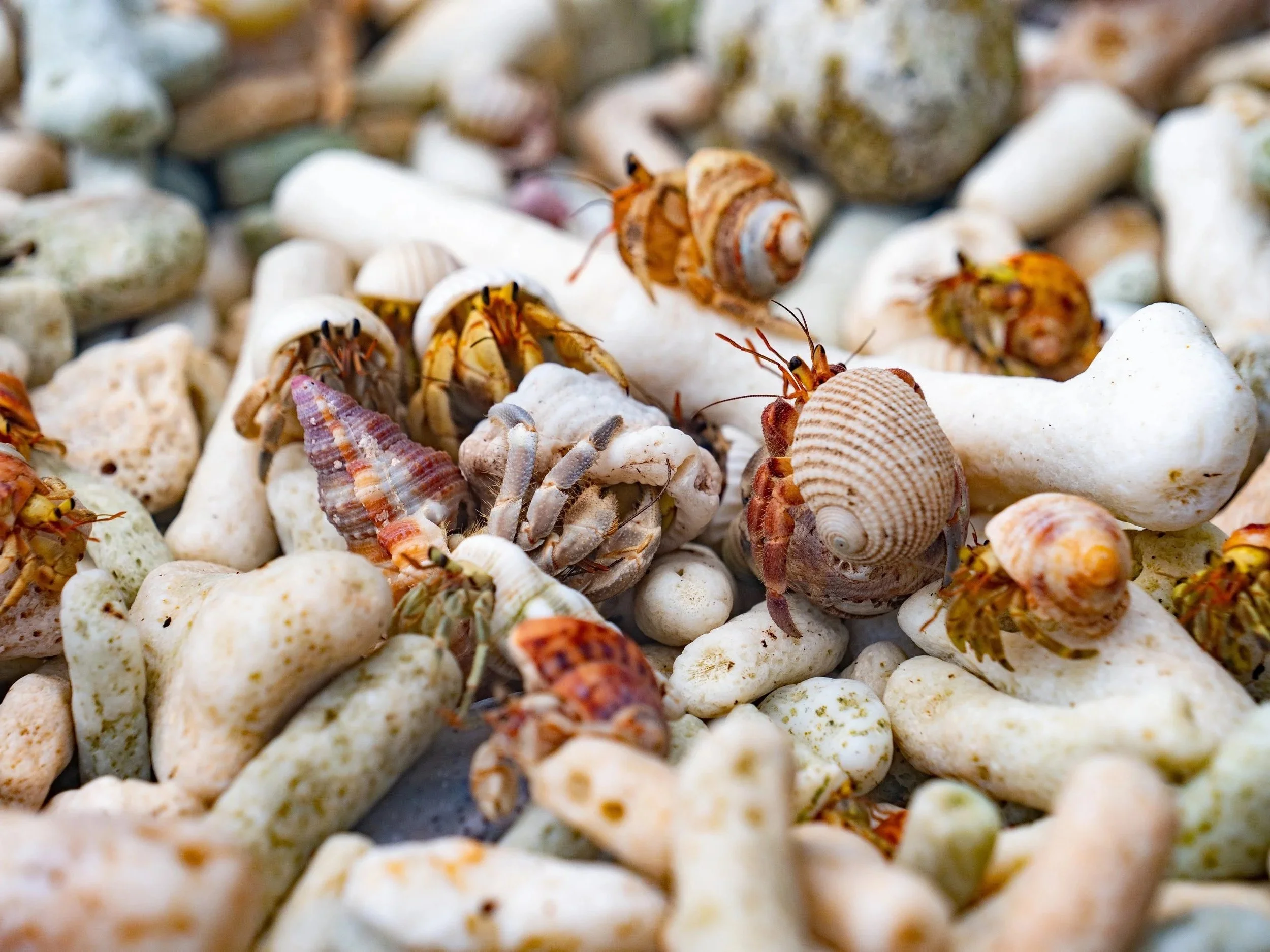
Methods & Approaches
I use a combination of imaging, experimental, and analytical techniques to connect sensory systems to ecological outcomes:
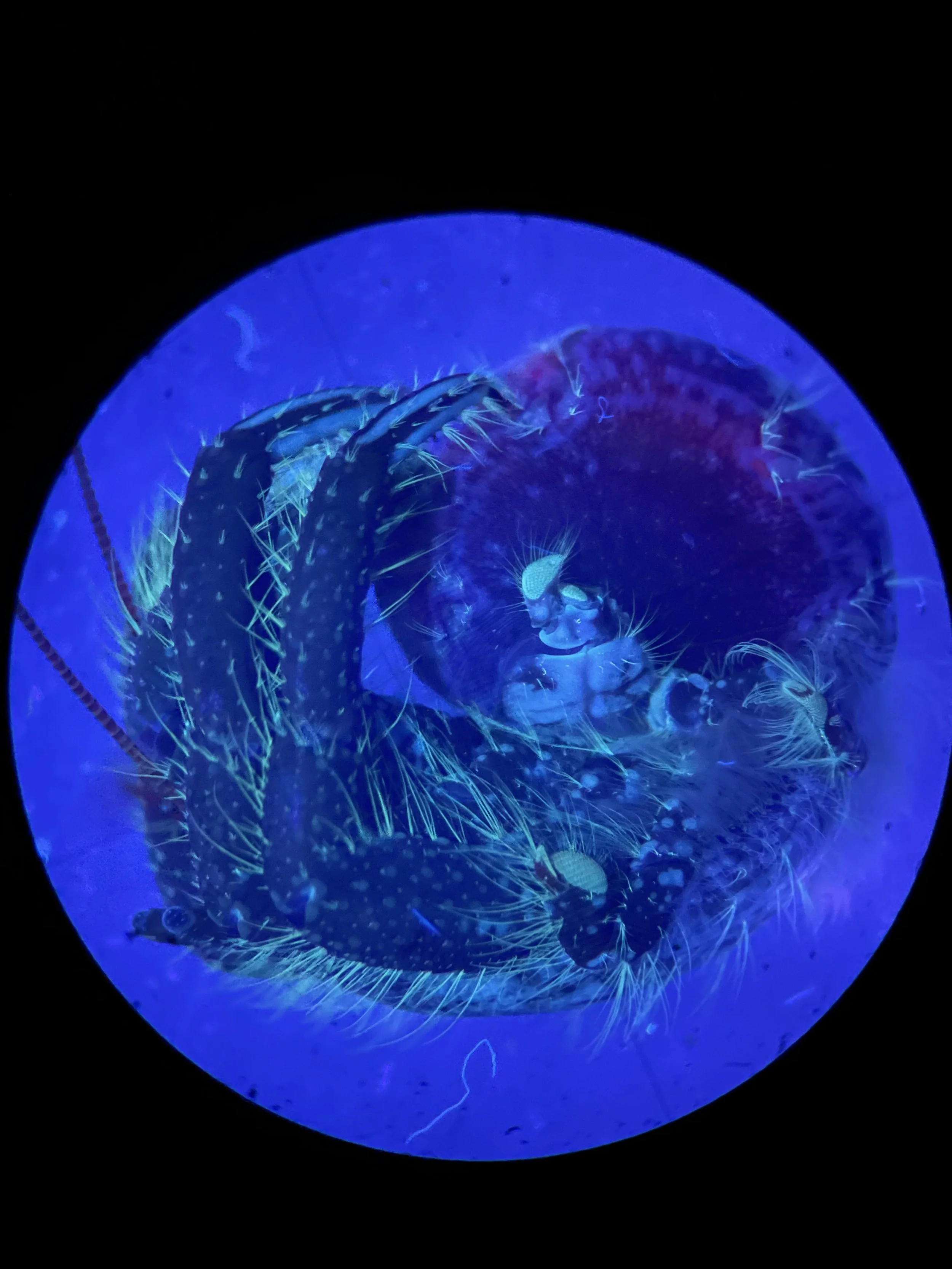
SEM & high-resolution imaging
Gross and microstructural morphological quantification pipelines
Behavioural assays and automated tracking
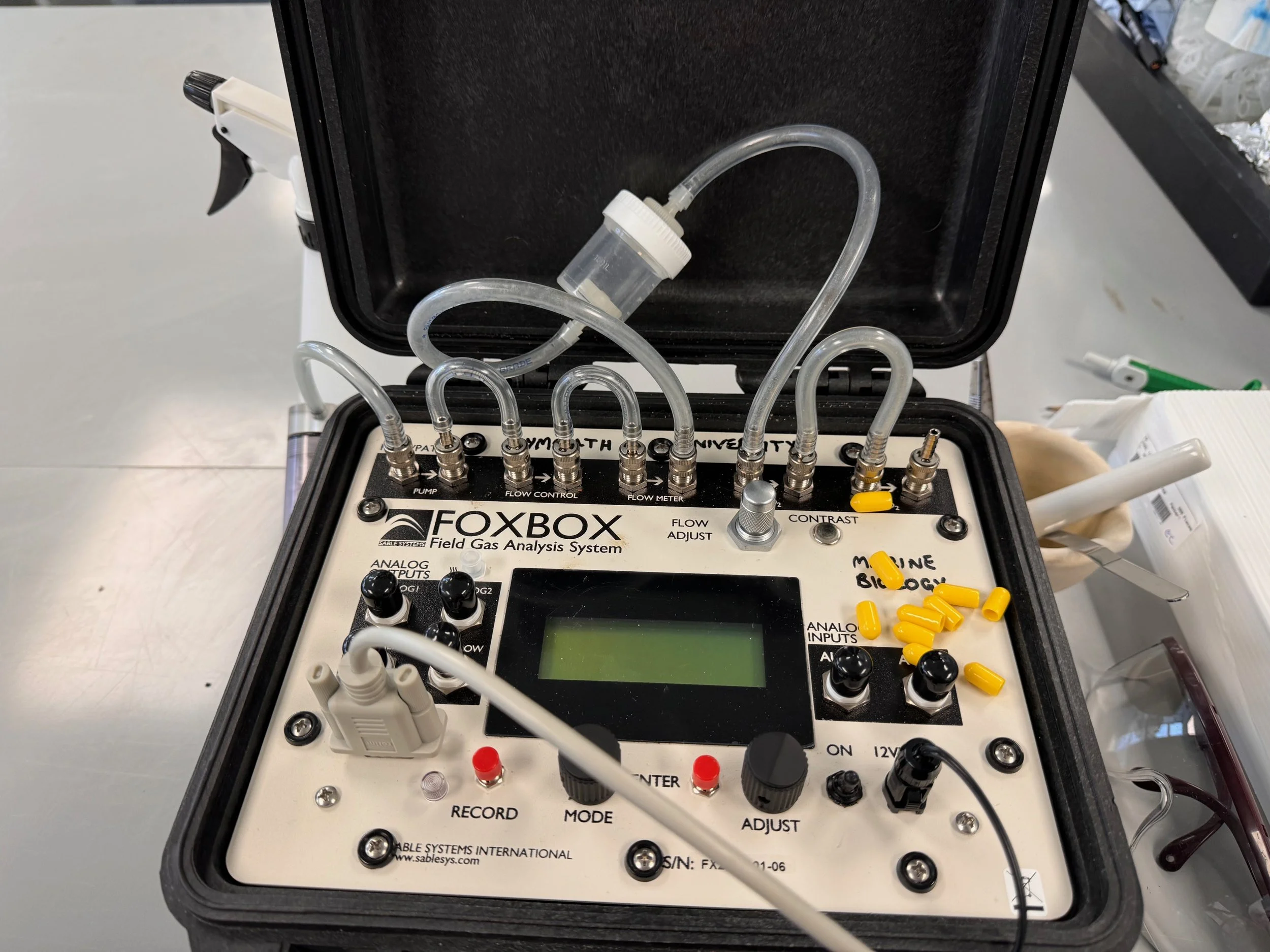
Physiological measurements (e.g., metabolic rate)
Experimental design & novel method development
Mixed-effects models, Bayesian analysis, and modelling approaches
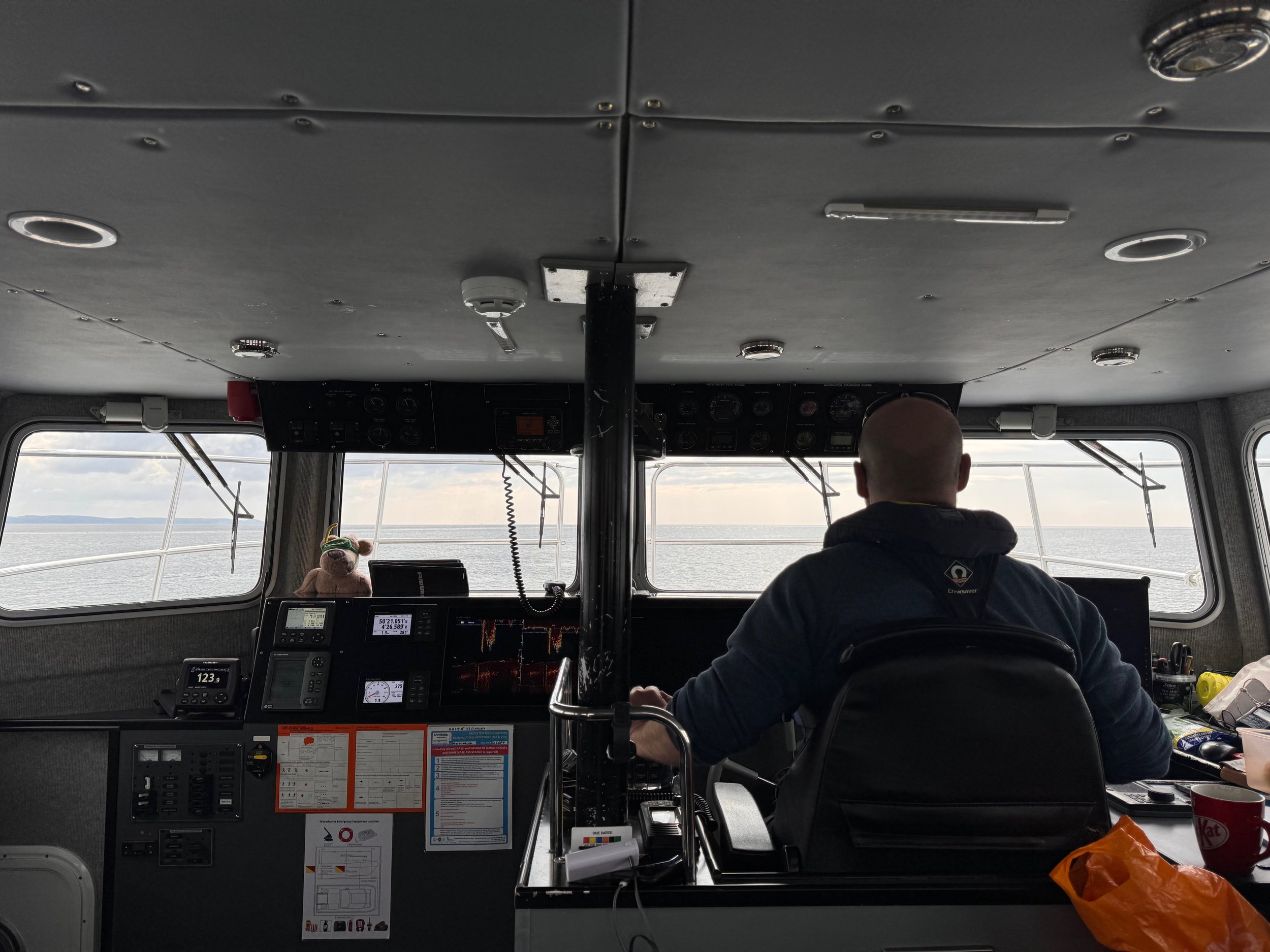
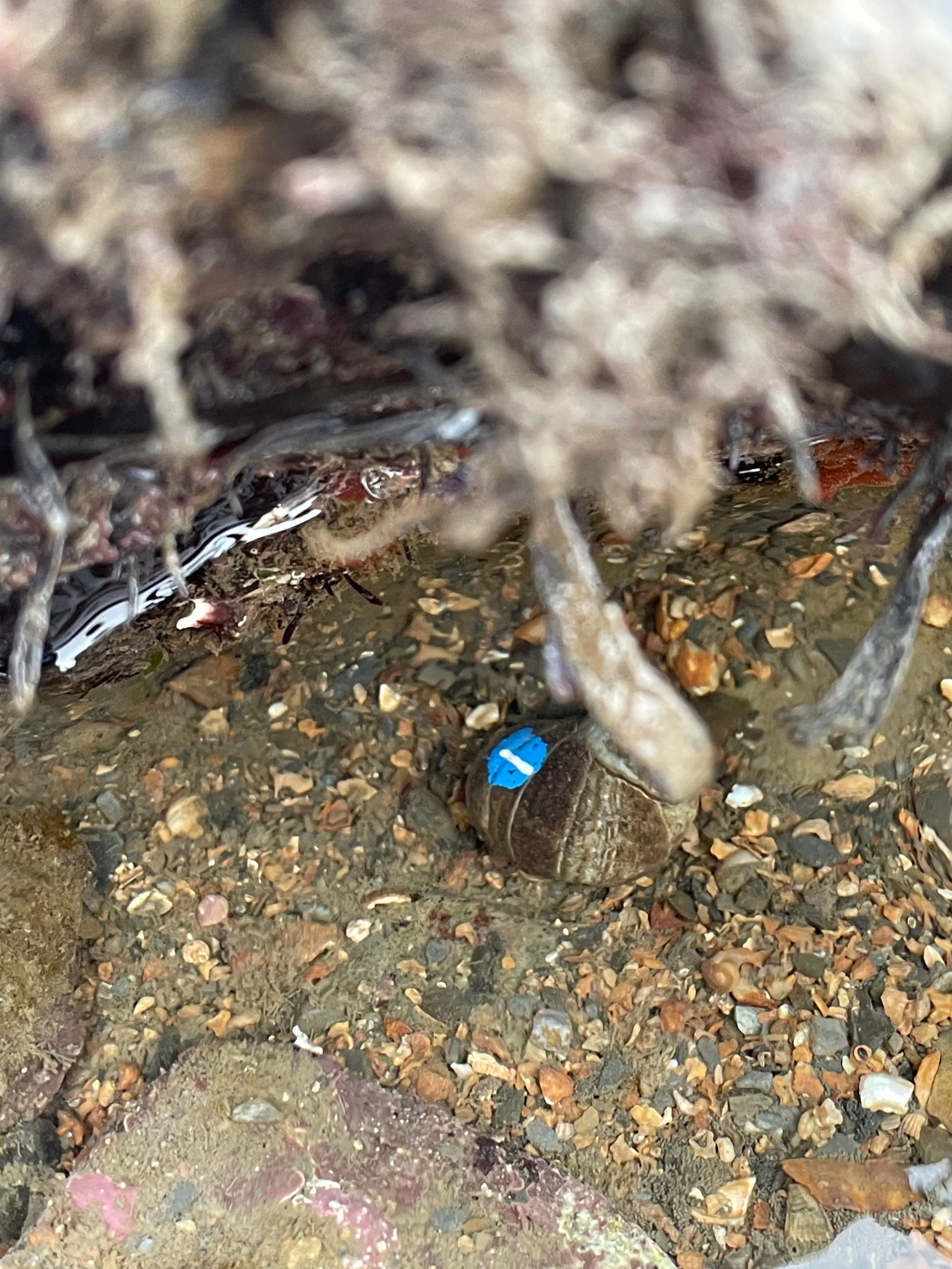
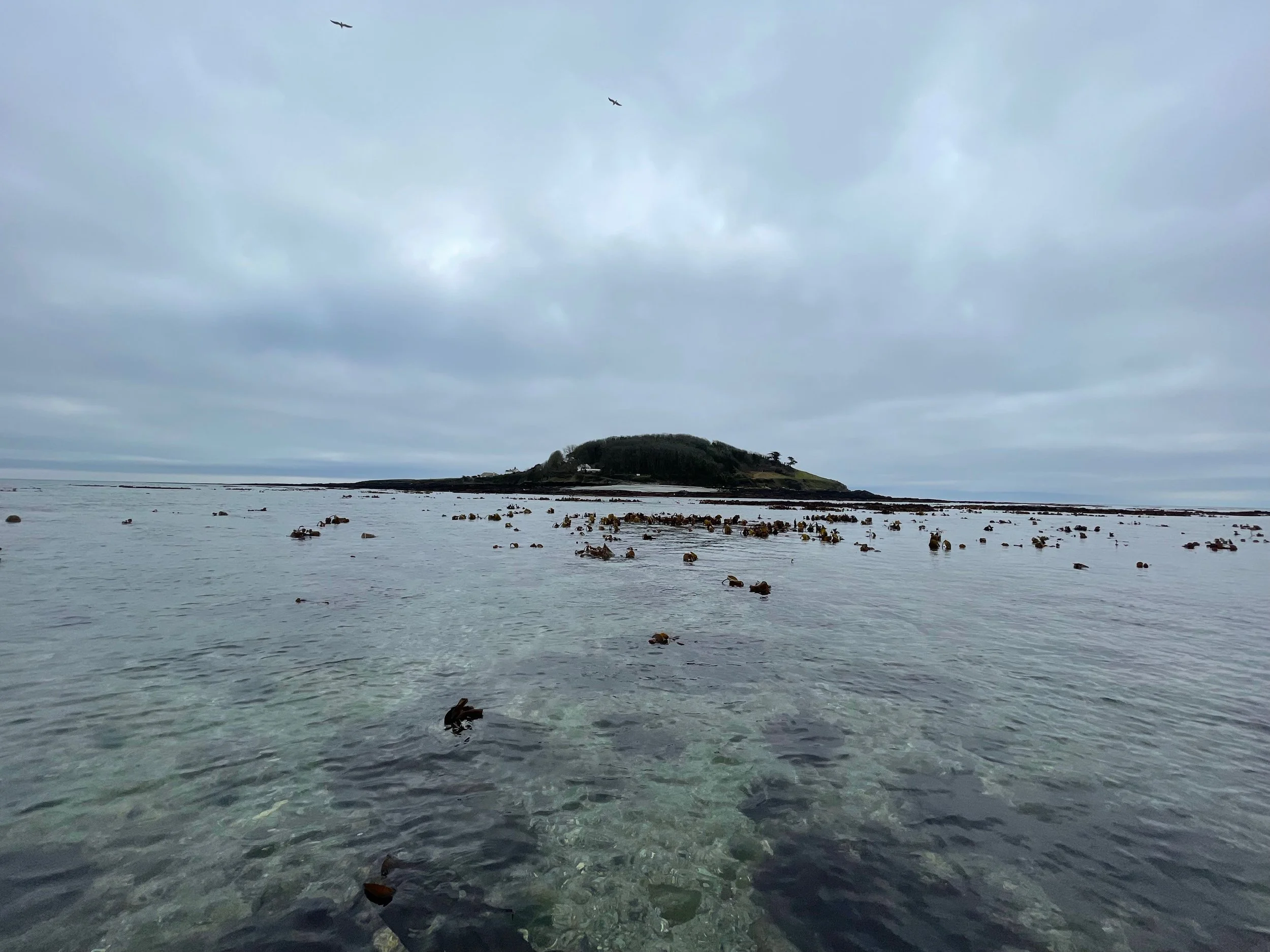
Intertidal and marine fieldwork
Contact
I’m always open to collaboration.
If you’re interested in sensory biology, morphology, behaviour, or information ecology, feel free to get in touch!